If you're evaluating manufacturing options for large structural parts—fenders, housings, guards, enclosures—thermoforming deserves a serious look. It's not the right fit for every project, but for engineers currently working with stamped steel, fiberglass, or fabricated metal, it often solves problems those processes can't.
This guide covers the key questions to ask when evaluating heavy-gauge thermoforming for structural components. We're not talking about thin-gauge packaging or disposable products here. We're talking about durable, production-grade parts that need to perform.
Is Thermoforming Right for Large Structural Parts?
Thermoforming works best for parts larger than two feet square, with annual volumes in the hundreds to low thousands. If you need 50,000 small, intricate parts per year, injection molding is probably your answer. But if you need 500 large enclosures or guards, thermoforming delivers lower tooling costs and faster time to production.
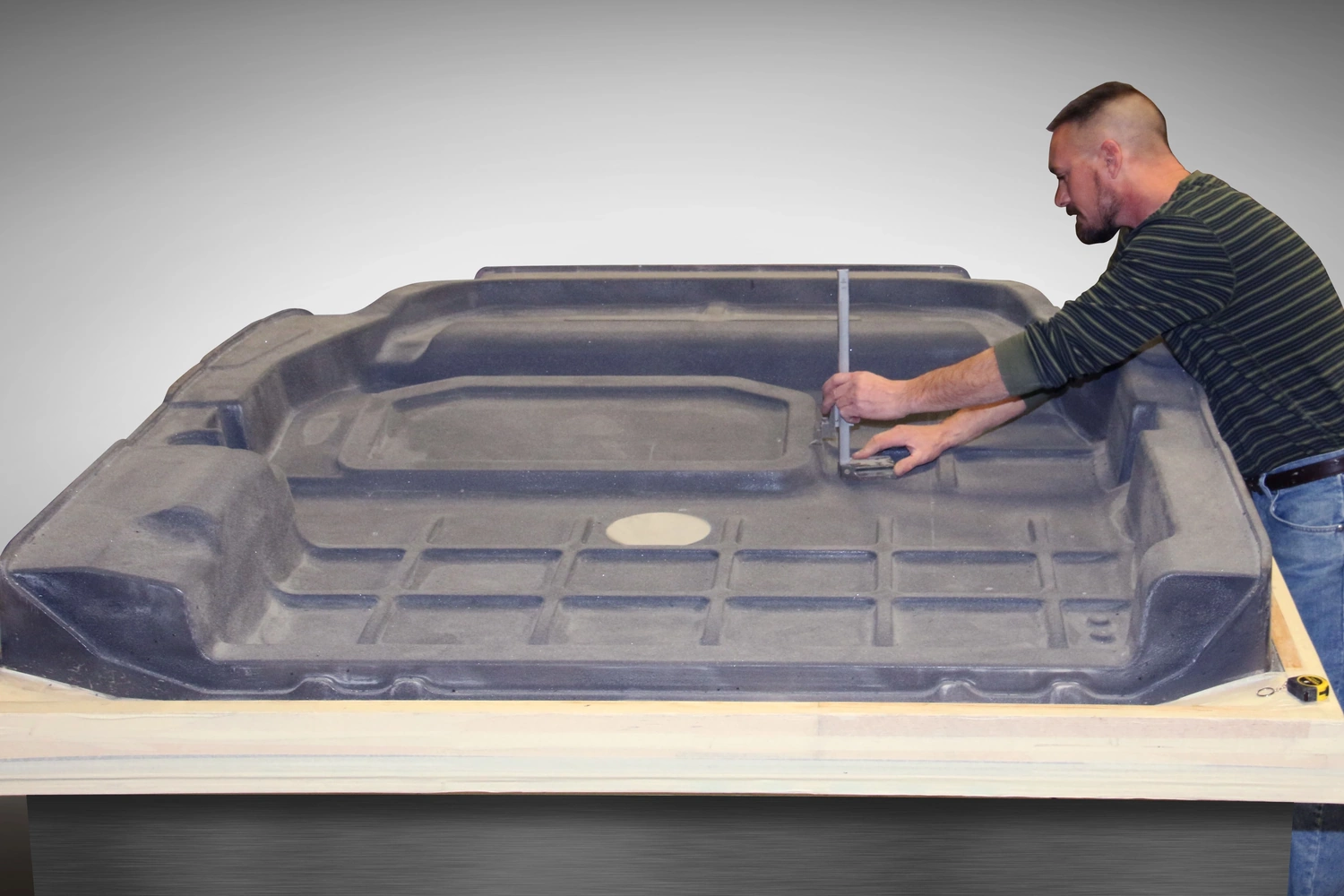
The process heats a plastic sheet until it's pliable, forms it over a mold using vacuum or pressure, then trims it to specification. Heavy-gauge thermoforming uses material thicknesses of 0.060" and up—substantial enough to replace stamped metal in many structural applications.
What Materials Work for Heavy-Gauge Thermoforming?
Material selection depends on your performance requirements. ABS handles impact well and paints easily. HDPE resists chemicals and works in cold temperatures. Polycarbonate offers glass-like clarity at half the weight. For outdoor applications, UV-stabilized materials prevent degradation over years of sun exposure.
The right material balances durability, weight, cost, and the specific demands of your application. A belt guard on heavy equipment faces different challenges than an interior panel on a transit vehicle. Your thermoforming partner should help you match material properties to real-world performance needs.
How Does Thermoforming Compare to Metal Stamping?
Metal stamping excels at high-volume production of smaller parts. But as parts get larger and geometries get more complex, stamping costs climb fast. Multiple forming operations, welding, grinding, painting—each step adds time and labor.
Thermoforming consolidates those steps. A single formed part can replace a multi-piece welded assembly. One heavy equipment manufacturer converted a steel belt guard to thermoformed ABS and dropped the part weight from 718 pounds to 38 pounds—a 95% reduction. The maintenance crew went from needing a forklift to remove the cover to one person handling it easily.
Tooling costs tell a similar story. Thermoforming tools typically run $10,000 to $50,000 compared to $150,000+ for stamping dies. When your volumes don't justify six-figure tooling investments, thermoforming makes the economics work.
When Does Injection Molding Make More Sense?
Injection molding produces tighter tolerances and finer details than thermoforming. If your part requires complex internal features, snap fits, or very tight dimensional control, injection molding handles that better. It also becomes more cost-effective at higher volumes—generally above 3,000-5,000 parts annually.
But injection molding tools take 12-16 weeks to produce and cost significantly more. For large parts, the machine size requirements can limit your options entirely. Most job-shop injection molding facilities can't handle parts larger than a few feet. Thermoforming routinely produces parts up to 6 feet by 10 feet.
What Lead Times Should You Expect?
Prototype tooling in wood or composite materials can be ready in days to weeks. Production tooling in aluminum typically takes 1-8 weeks depending on complexity. First article prototypes often ship 20-30 working days after tooling approval.
Compare that to injection molding's 12-16 week tooling timeline, and you see why thermoforming appeals to teams with aggressive launch schedules. One OEM needed to debut redesigned equipment at a trade show in less than three months. Thermoformed prototypes were hand-delivered three weeks before the show opened.
What Design Constraints Matter Most?
Draw ratio and draft angles drive manufacturability. The general guideline is a 2:1 height-to-width ratio, though part geometry affects this. Draft angles of 3 degrees minimum keep tooling costs reasonable—steeper angles are easier to form and release from the mold.
Wall thickness varies across a formed part. Material stretches more in deep draws and tight corners. Your design engineer should understand where critical dimensions fall and whether the forming process can hold them consistently.
Can Thermoformed Parts Match Metal Aesthetics?
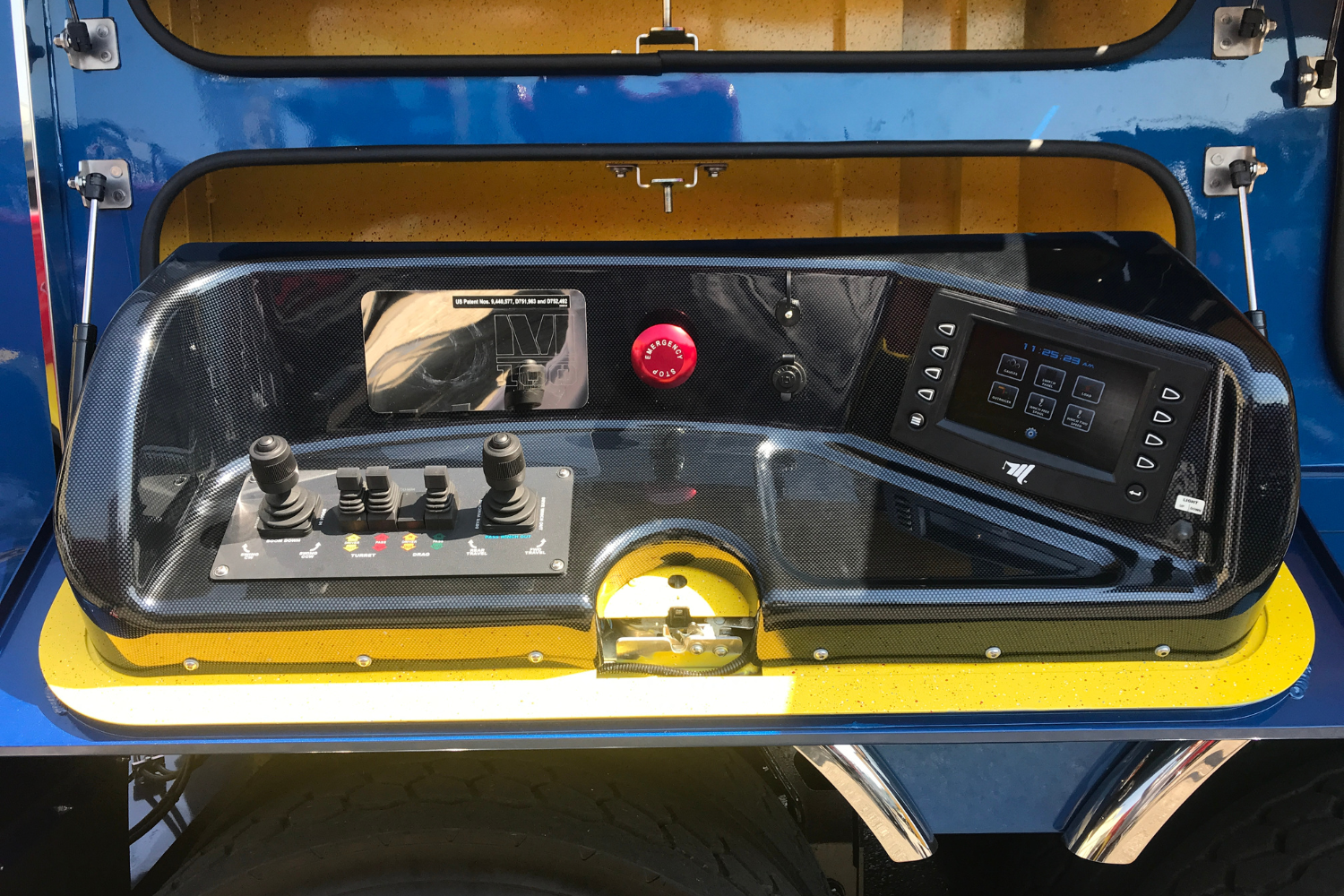
Pressure forming produces surface finishes comparable to injection molding—sharp details, consistent textures, molded-in logos and graphics. Through-colored material means scratches don't reveal a different substrate underneath, unlike painted metal or fiberglass.
Custom color matching is straightforward. Provide a color specification or existing painted part, and your supplier produces matched samples for approval before production. The color goes through the material, not just on it.
What Questions Should You Ask Your Thermoforming Partner?
Start with their experience in your industry. A company that forms medical device housings understands different requirements than one focused on agricultural equipment. Ask about in-house tooling capabilities—suppliers who control their own tool design and build respond faster when changes are needed.
Discuss your volume projections honestly. The right tooling material depends on how many parts you'll need over what timeframe. Wood works for dozens of parts. Composite handles thousands. Aluminum lasts for high-volume, multi-year production.
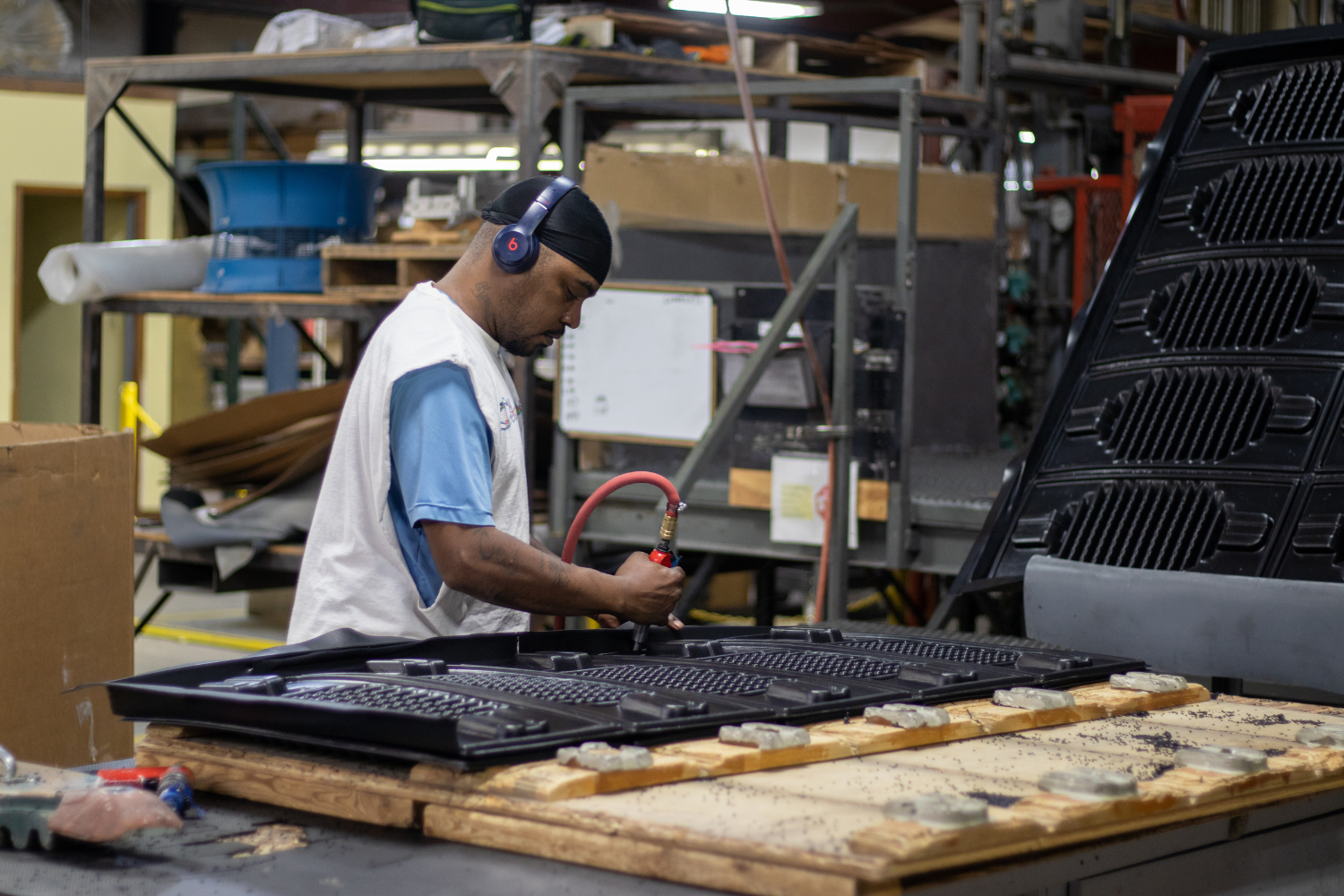
Finally, ask about secondary operations. Trimming, drilling, painting, assembly—understanding what happens after forming helps you evaluate true total cost and lead time.