Nobody budgets for rework. It shows up as extended timelines, emergency tooling modifications, and awkward conversations with leadership about why the project is over budget. Yet most rework in part manufacturing traces back to two preventable decisions made early in the process.
Understanding where rework originates helps you avoid it. And the math on prevention versus correction is not even close.
.jpg?width=400&height=225&name=maxresdefault%20(4).jpg) How Much Does Manufacturing Rework Actually Cost?
How Much Does Manufacturing Rework Actually Cost?
The true cost of rework extends far beyond the obvious expense of scrapped parts and revised tooling. Production schedules slip. Engineering hours get burned on fixes instead of new projects. Supplier relationships strain when rush orders become the norm.
For stamped metal parts, tooling modifications alone can run $15,000 to $50,000 depending on complexity. Injection molding tool revisions often exceed $25,000. These figures assume the fundamental design is sound and you're making minor adjustments. When the core approach is wrong, you're not modifying tooling. You're starting over.
The indirect costs hit harder. A delayed product launch affects revenue projections. Expedited shipping to recover lost time adds up fast. And your team loses weeks they could have spent on the next project.
Why Does Skipping Prototypes Lead to Expensive Mistakes?
The pressure to move fast creates a tempting shortcut. Why spend time and money on prototypes when you're confident in the design? The CAD model looks right. The specifications check out. Production tooling takes months anyway, so starting that clock sooner seems logical.
This reasoning ignores what prototypes actually reveal. A prototype exposes fit and assembly issues that CAD models miss. It shows how the part behaves under real load conditions. It identifies interference with adjacent components that looked fine on screen but fail in physical space.
One heavy equipment manufacturer learned this the hard way. They committed to production tooling for a large enclosure without prototype validation. The part met dimensional specifications perfectly. But during assembly, technicians discovered the mounting points conflicted with existing wiring harnesses. The fix required tooling modification and a six-week delay.
A prototype run would have cost a fraction of that modification and caught the issue before production tooling was cut.
The false economy of skipping prototypes shows up repeatedly across industries. Teams save a few weeks and a few thousand dollars upfront, then spend multiples of both fixing problems that prototype testing would have surfaced.
What Happens When You Choose the Wrong Manufacturing Process?
Process selection errors create a different kind of rework problem. You don't discover the mistake until you're deep into production or facing cost overruns that make the project economics collapse.
Consider a scenario where an engineering team specifies metal stamping for a large equipment housing. The part requires complex geometry with multiple bends, cutouts, and a welded assembly. Metal stamping handles each individual operation fine, but the accumulated fabrication steps drive piece price higher than anticipated. The team faces a choice between accepting unfavorable economics or converting to a different process mid-project.
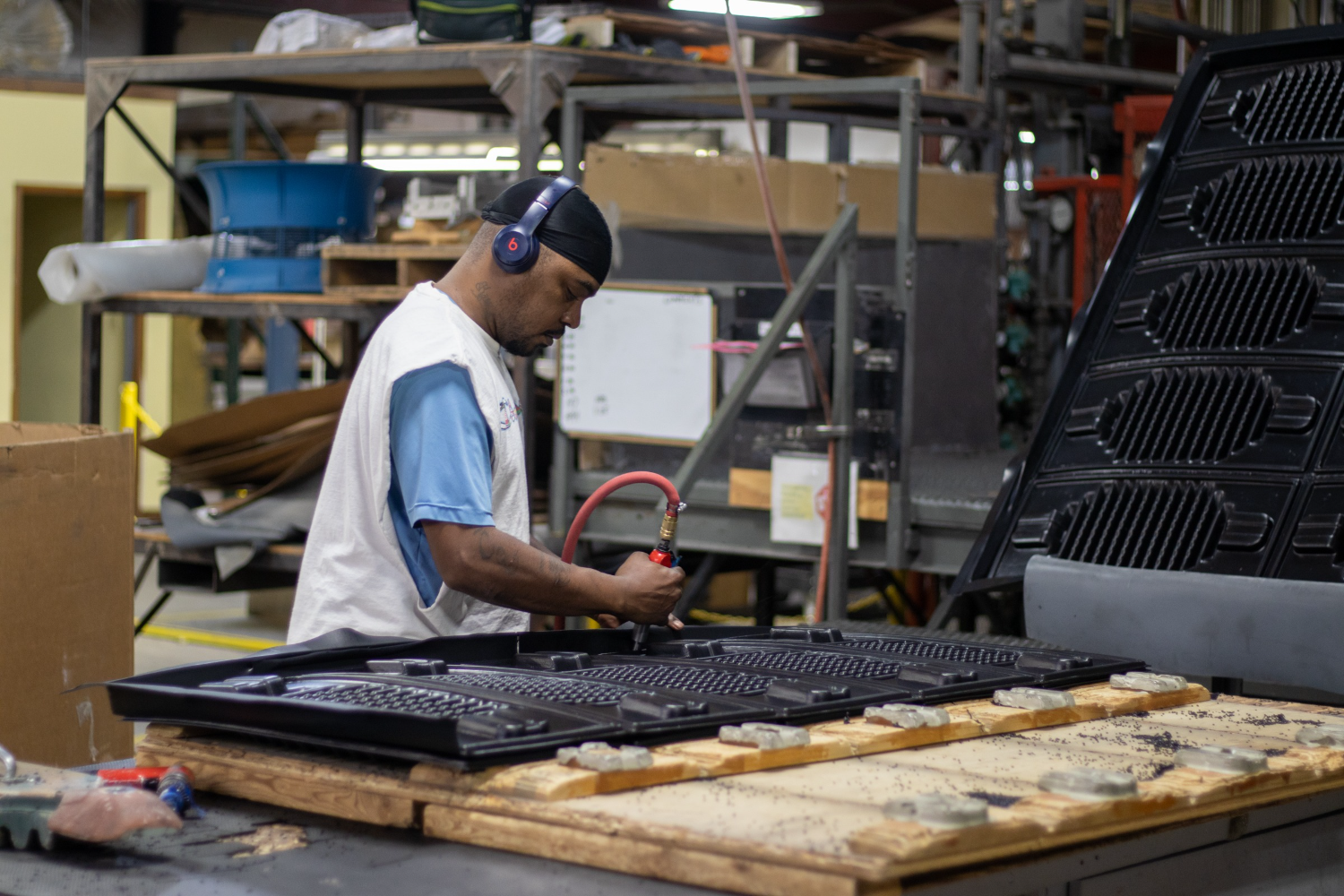
Thermoforming often emerges as the answer for large structural parts with complex geometry. A single-sided tool replaces matched metal dies. Part consolidation eliminates welded assemblies. Weight drops significantly, which matters for battery-powered equipment where every pound affects range and runtime.
The conversion itself creates rework costs. Engineering time gets consumed redesigning for the new process. Timelines reset. Project managers explain the change to stakeholders.
Had the team evaluated thermoforming against stamping at project kickoff, they would have selected the right process from the start. The comparison takes days, not months. Running that analysis early costs almost nothing compared to a mid-project process change.
How Do You Prevent Rework Before It Starts?
Prevention comes down to two commitments.
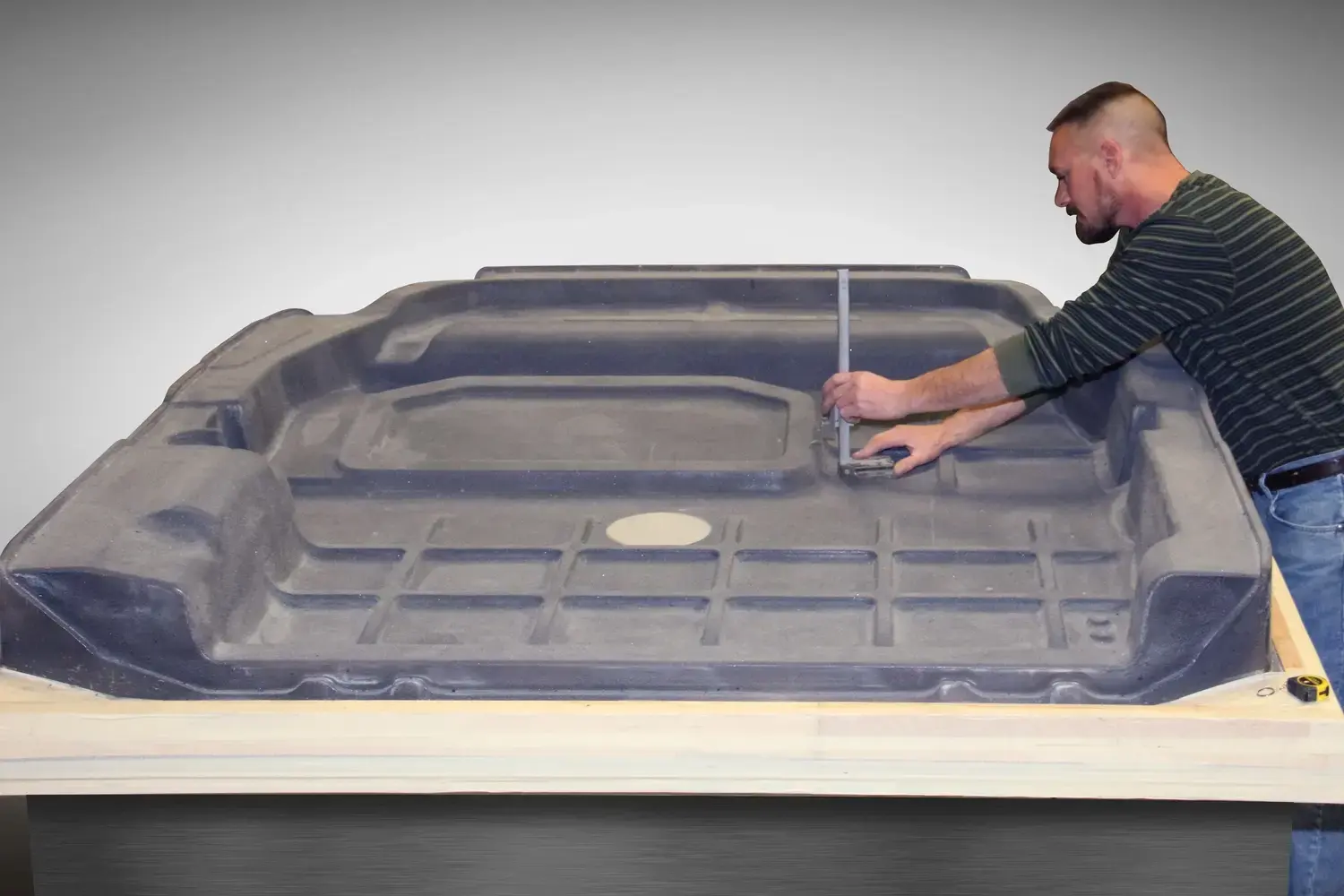
First, prototype before committing to production tooling. Even when schedules feel tight, the time invested in prototype validation pays back exponentially. Wood or composite prototype tooling can deliver test parts in weeks at a fraction of production tooling cost. Use that phase to verify fit, form, and function with actual hardware.
Second, evaluate manufacturing processes with realistic assumptions about your production volumes, part complexity, and timeline requirements. Metal stamping, injection molding, and thermoforming each have sweet spots where they perform best economically. Forcing a process outside its optimal range creates problems that compound throughout production.
The manufacturers who avoid rework costs are not lucky. They build prototype validation and process analysis into their standard workflow. The upfront investment is small. The savings are substantial.