You have a solid part design. The 3D model looks good. Now you need physical samples to validate fit, form, and function before committing to production. The clock is ticking, and your project timeline does not have room for a 16-week tooling lead time.
This is where thermoforming changes the equation for engineers working on large structural components.
Why Does Traditional Prototype Tooling Take So Long?
Injection molding tooling requires matched male and female cavities machined from hardened steel. Material flow analysis determines gate locations. Ejector pin placements must be calculated. The entire process takes 12 to 16 weeks before you see a single part, and the tooling investment often exceeds $150,000 for large components.
Metal stamping faces similar challenges. Two-cavity press tools require precision machining and heat treatment. Design changes mean expensive rework or complete tool rebuilds.
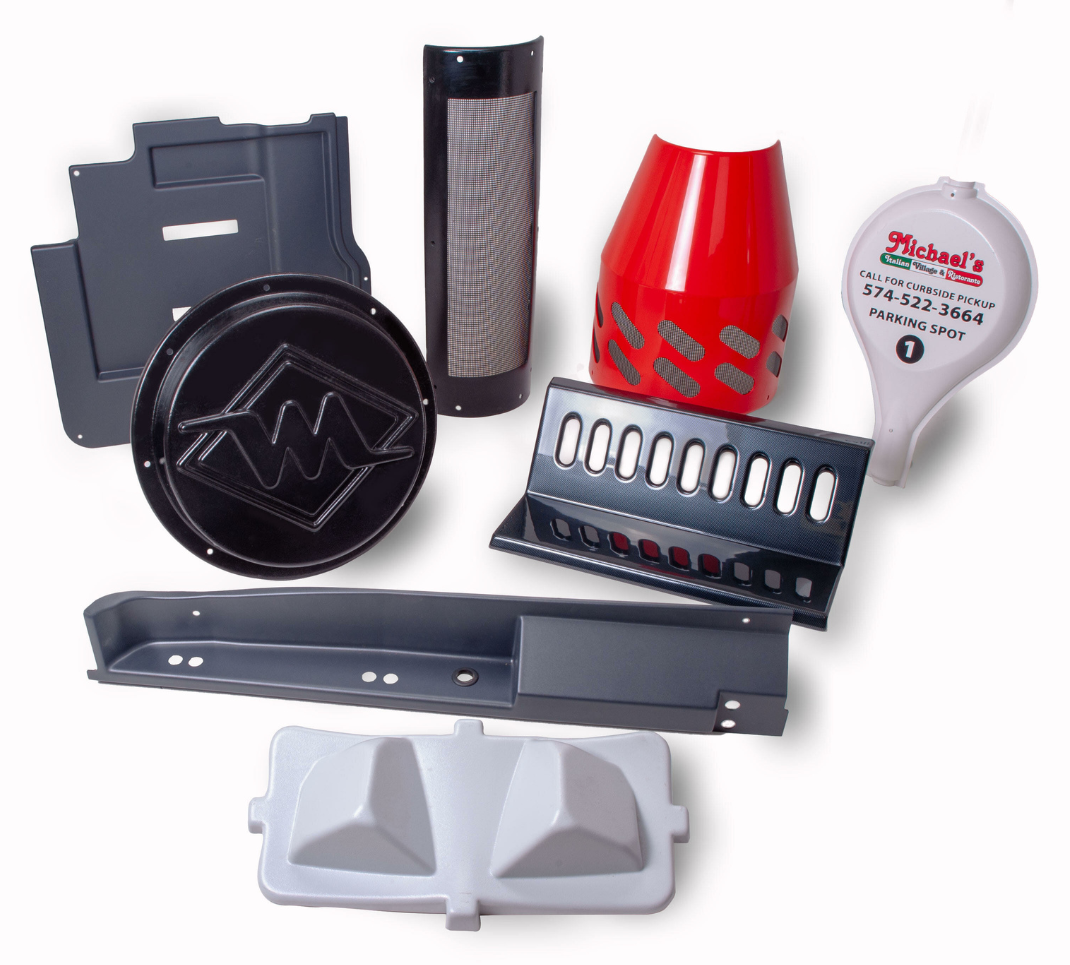
For engineers evaluating large parts like fenders, housings, enclosures, or guards, these timelines and costs create real project risk. You cannot validate your design until tooling arrives. If testing reveals problems, you are looking at weeks of delay and significant expense to modify hard tooling.
How Does Thermoforming Compress the Prototype Timeline?
Thermoforming uses a single-sided mold. No matched cavities. No ejector pins. No gate locations to optimize. This fundamental difference in tooling complexity translates directly to faster lead times and lower costs.
Prototype thermoform tooling can be machined from wood, composite materials, or aluminum depending on the volume and material requirements of your testing program. Wood tooling can be produced in days. Composite tooling takes slightly longer but offers greater durability. Either option gets physical parts in your hands weeks faster than alternative processes.
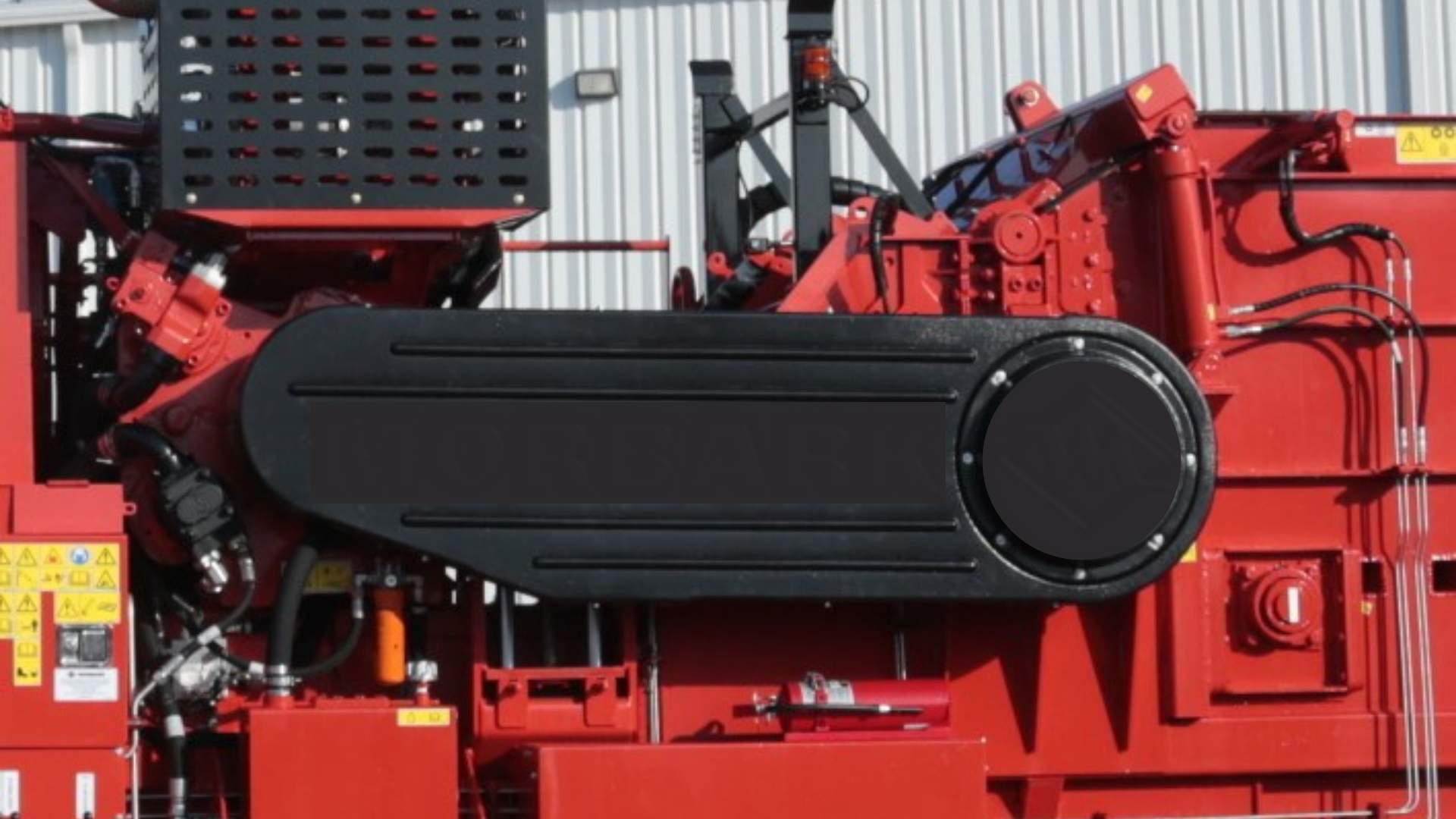
A typical prototype program at PCI delivers first article samples in 20 to 30 working days from design approval. Compare that to 16 weeks or more for injection molding. When a heavy equipment manufacturer needed prototype belt guards for a trade show deadline, thermoformed samples were hand-delivered three weeks before the event. The metal predecessor would have missed the deadline entirely.
What Tooling Options Exist for Different Testing Requirements?
Your testing requirements should drive tooling material selection, not the other way around.
Wood tooling works well for initial feasibility testing when you need approximately a dozen parts to check basic fit and assembly. The cost is minimal and modifications are straightforward if your first samples reveal design issues.
Machinable composite tooling boards offer more durability for extended testing programs. You can produce a few thousand parts from composite tools, making them ideal for fit, form, and function validation across multiple assembly stations or field trials.
Cast aluminum tooling makes sense when your testing requires thousands of parts or when production volumes justify the investment. Aluminum also enables temperature-controlled molding for tighter tolerances and faster cycle times.
This tiered approach means you spend only what the testing phase requires. You are not locked into production-grade tooling before validating the design.
What Happens When Prototype Testing Reveals Design Changes?
Here is where thermoforming delivers a significant engineering advantage. Single-sided tools can be modified quickly. Need to add a mounting boss? Mill out material and add it. Need to adjust a radius? Rework the existing tool rather than building new.
One specialty vehicle manufacturer brought their test vehicle directly to PCI's facility to evaluate initial prototype wall panels. Adjustments were made on the spot, and the project moved from first article to production approval with minimal iterations. That kind of responsiveness is difficult to achieve with matched metal tooling.
Is Your Part a Good Candidate for Thermoformed Prototyping?
Thermoforming excels at large parts with relatively simple geometries. If your component is larger than two feet square, production volumes are in the tens to thousands annually, and structural complexity allows for draft angles of three degrees or more, thermoforming likely offers a faster and more cost-effective prototype path than injection molding or metal stamping.
Parts currently made from stamped steel, fiberglass, or fabricated metal are particularly good conversion candidates. The same tooling used for prototyping can often serve initial production runs, eliminating the gap between validation and market launch.
Moving from Prototype to Production
The most overlooked advantage of thermoformed prototypes is the production pathway. Unlike 3D printed samples that require completely different production tooling, thermoformed prototypes can transition directly to production volumes. The same material, the same process, and often the same tooling serve both phases.
This continuity reduces risk. The parts you test are representative of the parts you will ship. No surprises when production tooling arrives because you have already validated the process.